
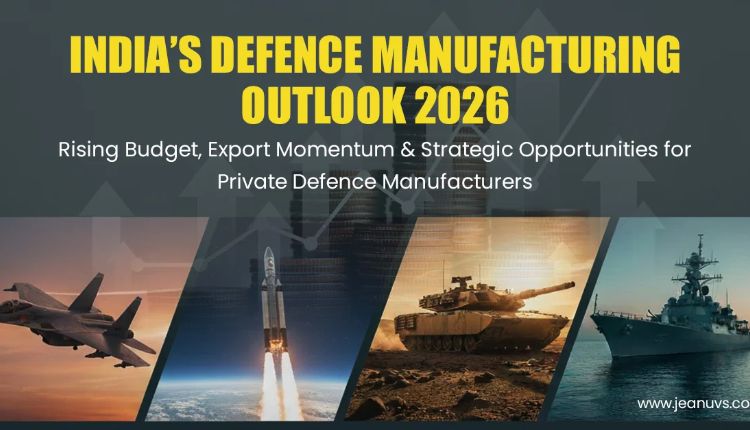
India’s ambition to build a self-reliant military industrial base is no longer just a slogan. Factories are being set up, private firms are winning design-led contracts, and young engineers are joining specialised startups. Long-term shareholders who track the Apollo micro systems share price are essentially betting on the growth of domestic defence electronics, while those following Paras defence share price are exposed to the progress of optics, sensors and allied technologies. This article looks ahead at the opportunities and challenges that could shape such businesses over the next decade.
The Shift Toward Technology-Led Warfare
Modern warfare has moved towards highly intelligent warfare, using surveillance cameras, thermal imaging, electronic warfare, secure communications, navigation electronics, and unmanned systems to allow forces to plan and carry out missions. All these require high-end electronics and optical components.
As the Indian armed forces move towards modernisation, there will be increasing demand for these subsystems. Electronic and optical components are often upgraded regularly, unlike traditional heavy systems, therefore giving ongoing revenue streams to companies that have expertise in these areas. There will be long product cycles with good margins.
New Opportunities Within The Space Sector & New Markets
The space sector has partially opened up to private companies, which provides opportunities in high-precision optics, satellite components and earth-based systems. There is also increasing interest in countering drones by using anti-drone, counter-surveillance, and protection shielding systems to protect sensitive electronics.
These niche markets provide opportunities to diversify. A company may be supplying an army today but providing systems to space agencies, homeland security, and even commercial industries in the future.
Export Potential
India has started exporting Defence systems to friendly countries. In recent years, the amount exported per year has increased significantly. The government are promoting this by easing licensing and providing diplomatic support. Component/Sub-system manufacturers can create a significant source of revenue by exporting their products as they will have high quality standards.
Having success internationally will give credibility to your product. Products that have supplied many customers and passed strict testing will be seen as more credible within the country. Investors should look for signs that they are getting export inquiries, certifications, and long term supply contracts.
Research & Expertise
Companies who consistently invest in research will be the long term winners. Having IP means that you can charge more for your products and protects your position. Working alongside top institutes and government labs will help speed up development.
Expertise is key. Finding skilled engineers to work on embedded systems, photonics, materials, and software is very sought after. Companies that can create a strong team with good career progression will have the advantage. Investors should look at how much they are investing into research, how many patents they have, and how quickly they are bringing new products to market.
Potential Challenges
There can be challenges to overcome. There can be long lead times to get products approved, which can slow down revenue. Some products may rely on imported materials/components which can cause volatility in costs. Competition is becoming tougher with large public sector undertakings and well funded private conglomerates. This can put pressure on margins.
Setting up test labs, clean rooms and precision machining can take a large amount of capital. It will take a few years before they see any return. Companies will need to ensure they are keeping their books strong whilst expanding.
Things To Watch For As An Long Term Investor
Instead of looking at price movements, look at indicators that show long term progress. Look at recurring order growth, improving operating margins, revenue from proprietary products, manufacturing growth, and strong cashflows. Comments from management about their tech roadmap and customer base.
It is also wise to look at the investment theory each year. If the company is delivering what they said they would then patience may pay off. However if they are continually missing the mark and governance is poor then it may be time to rethink.
Final Thoughts
Overall, there is a long-term story to be had in the indigenous defence electronics and optics market. With government backing, increased technological requirements, and the slow development of manufacturing in India. However, results will vary greatly between companies. It is important to do your due diligence, look for reasonable valuations, and have a long-term view.
